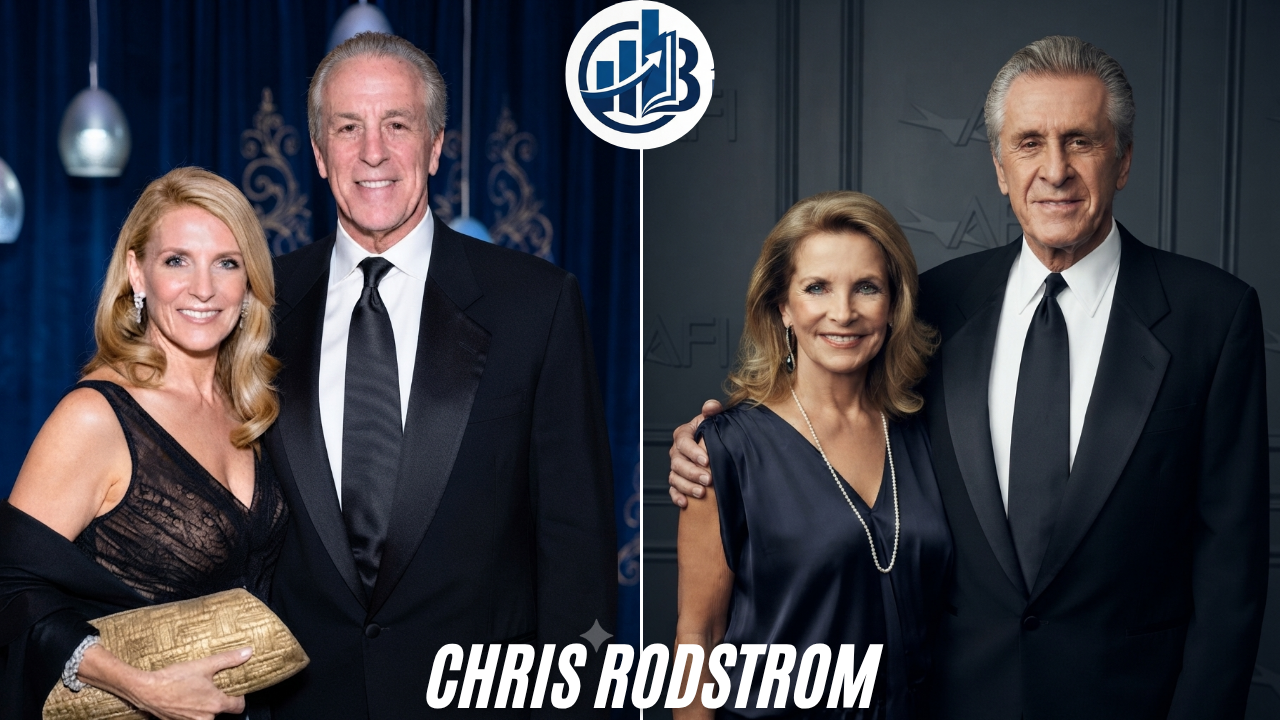







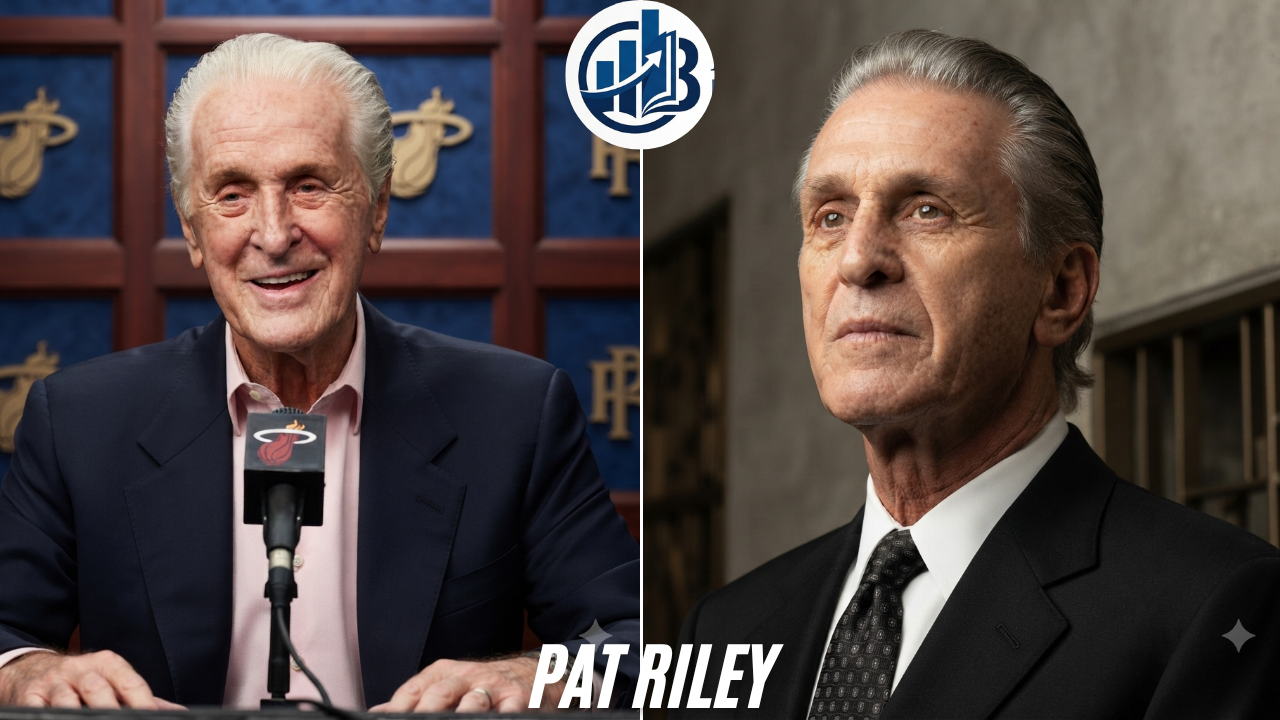
pat Riley stands among the most influential figures in basketball history, known for shaping championship teams as a player, coach, and executive. His career spans more than four decades, and across that time he has become closely associated with winning culture, discipline, and long-term team building in the NBA. From the early days as a role player with the Los Angeles Lakers to becoming the architect behind the Miami Heat’s sustained success, Riley’s journey reflects constant evolution and a deep understanding of the game.
What makes his story especially important is how each phase of his career built on the previous one. He learned the game as a player, studied it as a broadcaster, mastered it as a coach, and refined it as an executive. Very few figures in sports have influenced multiple franchises at such a high level for such a long period.
Early Life and Playing Career in the NBA
Pat Riley was born in 1945 in Rome, New York, and grew up with a strong interest in sports. He played college basketball at the University of Kentucky, where he developed the competitive mindset that would later define his professional career. In 1967, he was selected in the NBA Draft and eventually joined the Los Angeles Lakers, where he played as a guard.
Although Riley was not a superstar player, he was part of a significant era for the Lakers. He contributed to the team’s depth and was a member of the 1972 Lakers squad that won an NBA championship and set a record-breaking 33-game winning streak. That experience placed him inside a winning environment early in his career, something that later influenced his coaching philosophy. After retiring as a player, he briefly worked as a broadcaster, which allowed him to study the game from a different perspective and prepare for his next step in basketball.
The Rise of “Showtime” with the Los Angeles Lakers
Riley’s coaching career reached its turning point in 1981 when he became head coach of the Los Angeles Lakers. At the time, the team already had star power in Magic Johnson and Kareem Abdul-Jabbar, but Riley helped transform talent into a dominant system.
Under his leadership, the Lakers developed what became known as “Showtime” basketball. This style emphasized fast breaks, quick transitions, and creative offensive play that thrilled fans while overwhelming opponents. It was not just entertainment; it was highly effective and led to consistent success throughout the 1980s.
During this period, the Lakers won multiple NBA championships and regularly appeared in the Finals. Riley’s coaching approach focused on discipline, preparation, and a strong belief in controlling the pace of the game. He became known for his sharp suits on the sidelines and his intense expectations for players. By the time he stepped down in 1990, he had already established one of the most iconic coaching eras in NBA history.
A New Challenge with the New York Knicks
After leaving the Lakers, Riley took on a very different challenge when he became head coach of the New York Knicks in 1991. Unlike the fast-paced style of Los Angeles, the Knicks required a tougher, more defensive identity, especially in the physically demanding Eastern Conference.
Riley adapted quickly and built a team known for its defense, toughness, and mental resilience. The Knicks became one of the hardest teams to play against during the early 1990s. Under his leadership, they reached the NBA Finals in 1994, pushing the Houston Rockets to a full seven-game series before falling short of the championship.
Even though the Knicks did not win a title under Riley, his influence reshaped the team’s identity. He proved that his coaching success was not limited to one system or one roster type. Instead, he could adjust his philosophy to match the strengths and demands of different teams.
Building a Culture in Miami
In 1995, Riley joined the Miami Heat, marking the beginning of one of the most important chapters in his career. Unlike his previous roles, this was not just about coaching a team but about building a franchise culture from the ground up.
Riley worked to transform the Heat into a disciplined, competitive organization. Over time, Miami became known for its strong work ethic, defensive intensity, and commitment to excellence. The team quickly became a regular playoff contender and developed a reputation as one of the most well-structured organizations in the league.
In 2006, Riley returned to coaching midseason, a move that led to one of the most memorable moments in franchise history. With Dwyane Wade leading the team and experienced veterans supporting him, the Miami Heat won their first NBA championship. That title added another achievement to Riley’s already remarkable career and showed his ability to succeed across different eras of basketball.
Executive Success and Long-Term Impact
After stepping away from coaching, Riley continued his role as team president of the Miami Heat. In this position, he focused on roster construction, long-term planning, and maintaining the organization’s competitive identity. His leadership helped the Heat remain one of the most stable franchises in the NBA.
Under his guidance, Miami went on to win additional championships in 2012 and 2013, reinforcing the strength of the system he helped build. Even when he was not on the sidelines coaching, his influence remained central to the team’s success.
Riley’s executive career is marked by consistency and a clear understanding of how to balance star players, role players, and coaching leadership. His decisions have shaped multiple generations of Heat teams and kept the franchise relevant in a constantly changing league.
Legacy of Pat Riley in Basketball History
Pat Riley’s legacy is not defined by a single team or role but by his ability to succeed in every major capacity within the NBA. He won championships as a player, coach, and executive, a rare achievement in professional sports. More importantly, he influenced how teams are built and how winning cultures are sustained over time.
His impact can be seen in the way modern NBA teams approach preparation, discipline, and long-term planning. Riley’s career shows that success in basketball is not only about talent but also about structure, identity, and leadership.
Across Los Angeles, New York, and Miami, his influence remains visible. Each organization he touched carries elements of his philosophy, whether it is fast-paced offense, defensive toughness, or organizational discipline. Pat Riley’s name is now permanently linked with excellence in the NBA, and his story continues to be a reference point for coaches and executives across the league.
Frequently Asked Questions
Who is Pat Riley?
Pat Riley is a former NBA player, Hall of Fame coach, and current president of the Miami Heat, known for building championship teams across multiple decades.
How many championships has Pat Riley won?
He has been part of nine NBA championships in total, including roles as player, coach, and executive.
Which teams did Pat Riley coach?
He coached the Los Angeles Lakers, New York Knicks, and Miami Heat during his career.
What is Pat Riley famous for?
He is best known for the “Showtime” Lakers and for building strong team cultures in Miami and New York.
Is Pat Riley still working in the NBA?
Yes, he currently serves as president of the Miami Heat and remains active in team decisions.
Conclusion
Pat Riley’s career represents one of the most complete journeys in basketball history. He has succeeded in nearly every role the NBA offers and left a lasting impact on each organization he has been part of. His ability to adapt, lead, and build winning environments sets him apart from most figures in the sport.
Even today, his influence continues through the Miami Heat’s culture and through the broader NBA landscape. His story is not just about championships but about sustained excellence across generations of basketball.