







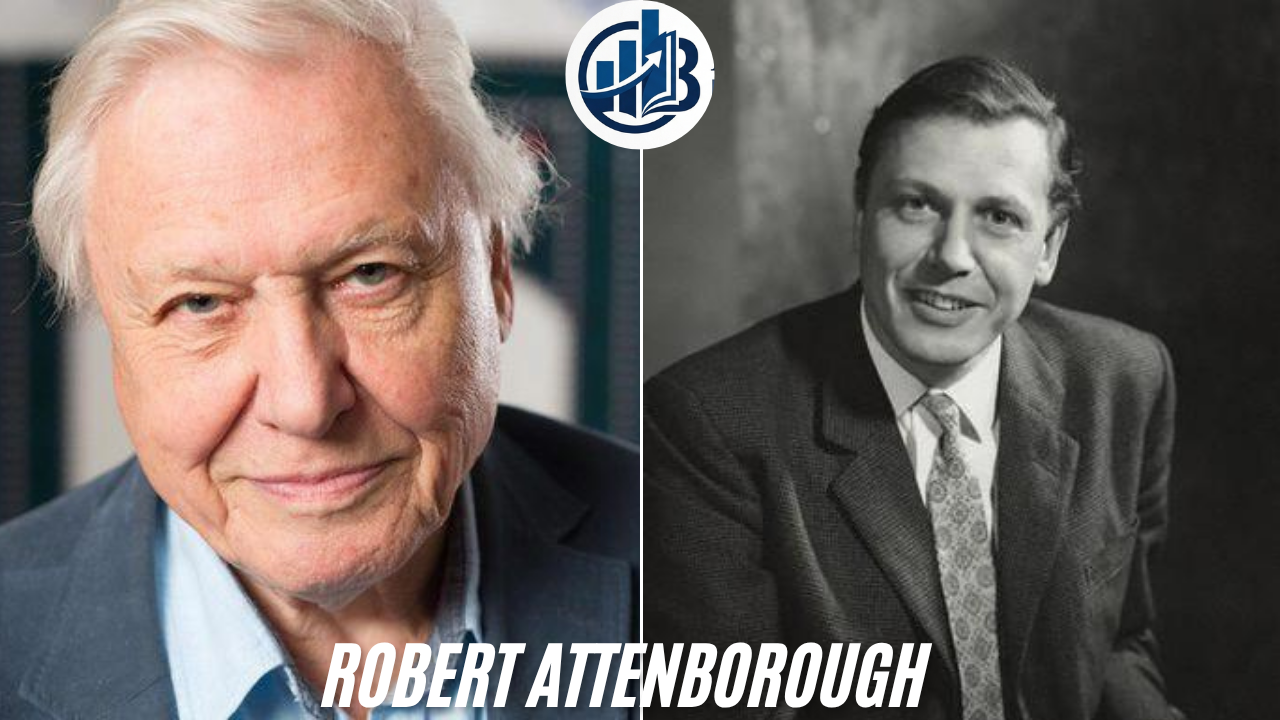
Robert Attenborough is a name that often appears in searches because of his connection to one of the most famous families in British media and science. While the Attenborough surname is widely associated with wildlife broadcasting and global conservation storytelling, Robert Attenborough has followed a very different path. His life has been built around academic research, anthropology, and long-term scientific study rather than public fame or television presence.
What makes his story interesting is not visibility but contrast. He belongs to a family known across the world, yet he has chosen a quiet, research-driven life that rarely enters mainstream media. That difference is exactly why people search for him, trying to understand who he is and what he actually does.
Early Life and Family Background
Robert Attenborough was born into a family deeply connected to science, culture, and public communication. His father is Sir David Attenborough, one of the most respected natural historians and broadcasters in the world. His uncle, Richard Attenborough, was a celebrated actor and filmmaker who achieved international recognition in cinema.
Growing up in such an environment meant exposure to science, storytelling, and intellectual curiosity from an early age. However, Robert did not step into broadcasting or film like other members of his family. Instead, he developed an interest in human biology and anthropology, focusing on how people live, adapt, and evolve in different environments.
This early direction shaped the rest of his academic journey and set him apart from the public-facing careers associated with the Attenborough name.
Education and Academic Direction
Robert Attenborough pursued higher education in the field of anthropology, a discipline that studies humans from biological, cultural, and evolutionary perspectives. His academic path led him toward biological anthropology, where research focuses on human populations, health patterns, and environmental adaptation.
Unlike many careers that rely on public recognition, anthropology depends on fieldwork, observation, and long-term data collection. Robert’s academic direction reflected this reality. His work required time spent in research environments rather than public platforms, and this helped define his low-profile professional identity.
Over time, he became associated with respected academic institutions, particularly in Australia, where he contributed to teaching and research in anthropology and human biology.
Academic Career and Research Work
Robert Attenborough built his career in universities rather than media organizations. His work is closely linked with biological anthropology and population health studies, especially in regions such as the Pacific, including Papua New Guinea.
His research focuses on understanding how human populations adapt to their environments, how health conditions vary across communities, and how biological and cultural factors interact over time. These are long-term studies that require field visits, interviews, and data collection over years rather than months.
He has been affiliated with the Australian National University, where he contributed to academic teaching and research in anthropology. His work has influenced studies on human evolution, population health, and environmental adaptation.
What stands out in his career is consistency. Instead of shifting into public speaking or media exposure, he remained focused on research-based work that contributes quietly but meaningfully to scientific understanding.
Connection to the Attenborough Family Legacy
The Attenborough family is widely recognized for its contribution to arts and science. Sir David Attenborough brought natural history into millions of homes through documentary filmmaking. His voice became globally associated with wildlife education and environmental awareness.
Robert Attenborough, however, represents a different branch of that legacy. His contribution is not visual storytelling but academic research. While his father explains nature to the world, Robert studies human populations within that same natural system.
This difference often creates curiosity. People assume that all members of the Attenborough family work in media or environmental broadcasting, but Robert’s career shows that the family’s influence extends beyond television into scientific research and academic institutions.
Private Life and Public Absence
One of the most notable aspects of Robert Attenborough’s life is his privacy. Unlike many individuals connected to famous families, he has not built a public persona or media presence. There are very few interviews, public statements, or media appearances linked to him.
This absence is not accidental. It reflects the nature of academic life, especially in anthropology, where recognition comes through research papers, field studies, and institutional contribution rather than public visibility.
His personal life is largely kept away from media attention, which has also contributed to limited public knowledge about him. Even basic biographical details are not widely circulated, reinforcing his preference for privacy.
Why People Search for Robert Attenborough
Search interest in Robert Attenborough is mostly driven by curiosity about the Attenborough family. Many people know Sir David Attenborough and assume other family members share similar careers in broadcasting or environmental communication.
When they discover Robert Attenborough, they find a completely different professional identity. This contrast creates interest, especially among readers who want to understand how someone from such a famous family chose a quiet academic life instead of public recognition.
Another reason for search demand is academic curiosity. People interested in anthropology and human biology often come across his name in research references and want to know more about his background and work.
Academic Contribution and Impact
Robert Attenborough’s contribution lies in the field of biological anthropology, where his work helps explain how humans adapt to different environments. His studies contribute to broader discussions in science about health, population change, and evolutionary patterns.
Although his work is not widely known outside academic circles, it plays a role in expanding scientific understanding of human societies. Research like his often becomes part of larger studies, influencing future academic work and policy discussions in health and anthropology.
His impact is measured not in media visibility but in academic influence, citations, and the long-term value of research findings.
Conclusion
Robert Attenborough represents a different kind of legacy within a globally recognized family. While the Attenborough name is often linked with public storytelling and environmental communication, Robert’s path has remained firmly within academic research and scientific study.
His life shows how fame and contribution do not always follow the same direction. Instead of public recognition, he chose a quieter role focused on understanding human populations and their relationship with the environment.
In a world where visibility often defines success, Robert Attenborough’s career is a reminder that meaningful work can also exist outside the spotlight, in research rooms, field studies, and academic institutions.
Frequently Asked Questions
Who is Robert Attenborough?
Robert Attenborough is a British academic known for his work in biological anthropology and human population research.
Is Robert Attenborough related to David Attenborough?
Yes, he is the son of Sir David Attenborough, the famous broadcaster and natural historian.
What does Robert Attenborough do?
He works as an anthropologist focusing on human biology, population studies, and environmental adaptation.
Where has Robert Attenborough worked?
He has worked mainly in academic institutions, including the Australian National University.
Why is Robert Attenborough not in the media?
He chose an academic career and prefers private research work over public or media exposure.
What is his main research focus?
His research focuses on human population health, biological anthropology, and adaptation in different environments.